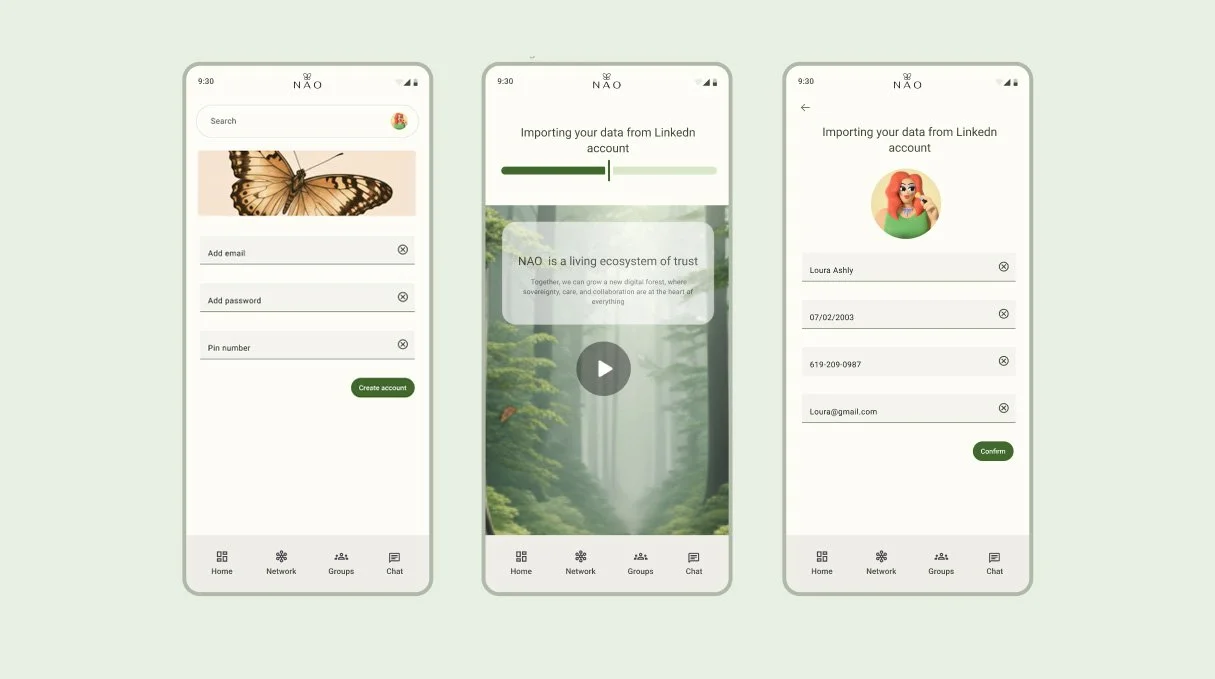
Design for Trust in the AI Era
As AI becomes increasingly integrated into everyday products, trust is becoming one of the most important design challenges.
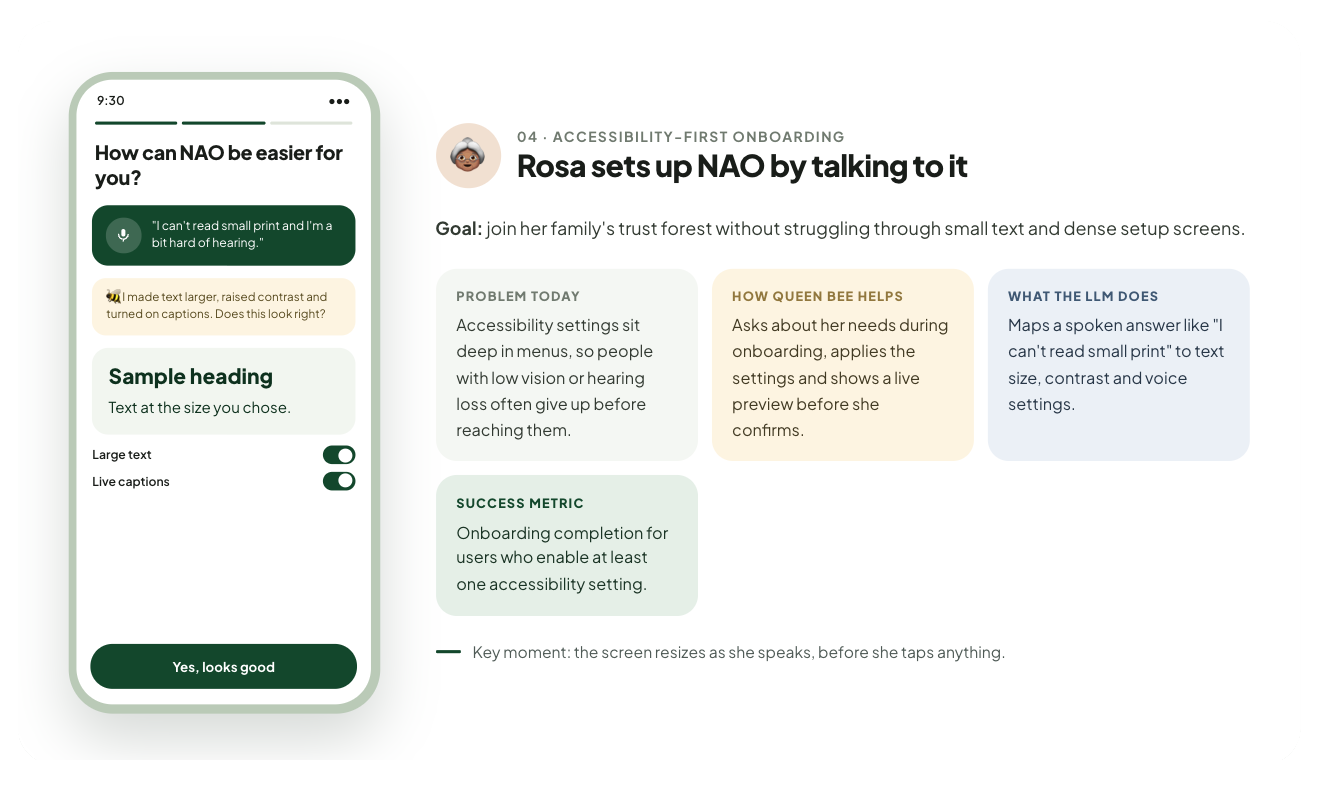
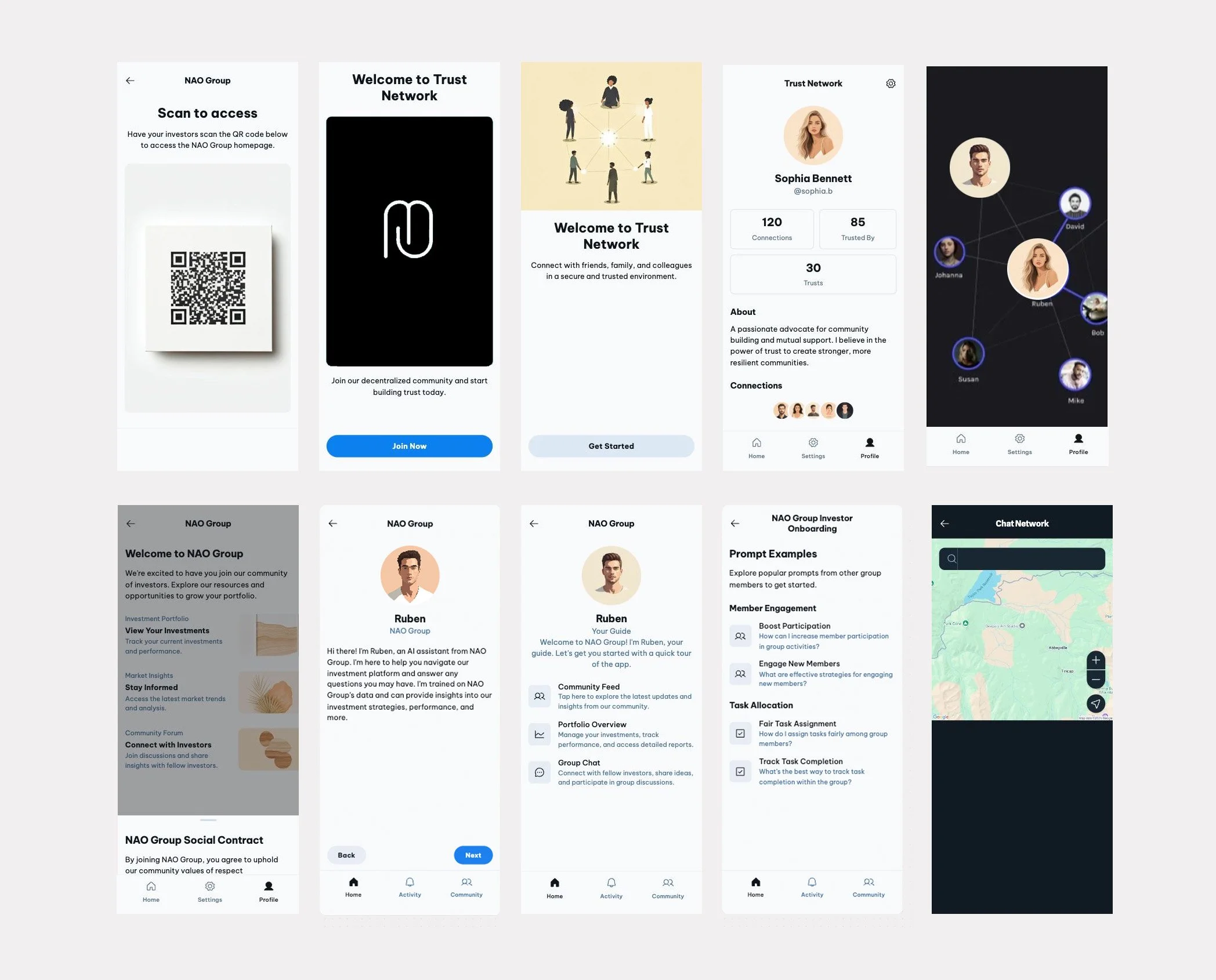
At Trust Forest, I explored data sovereignty as a core design principle, creating products where users retain ownership of their digital identity, understand how AI uses their data, and provide informed consent. By embedding transparency, privacy, and user control into the experience, organizations can build stronger, longer-lasting relationships with their communities.
Trust Forest
Designing trust-centered products and brands for founders building the next generation of AI and impact-driven organizations.
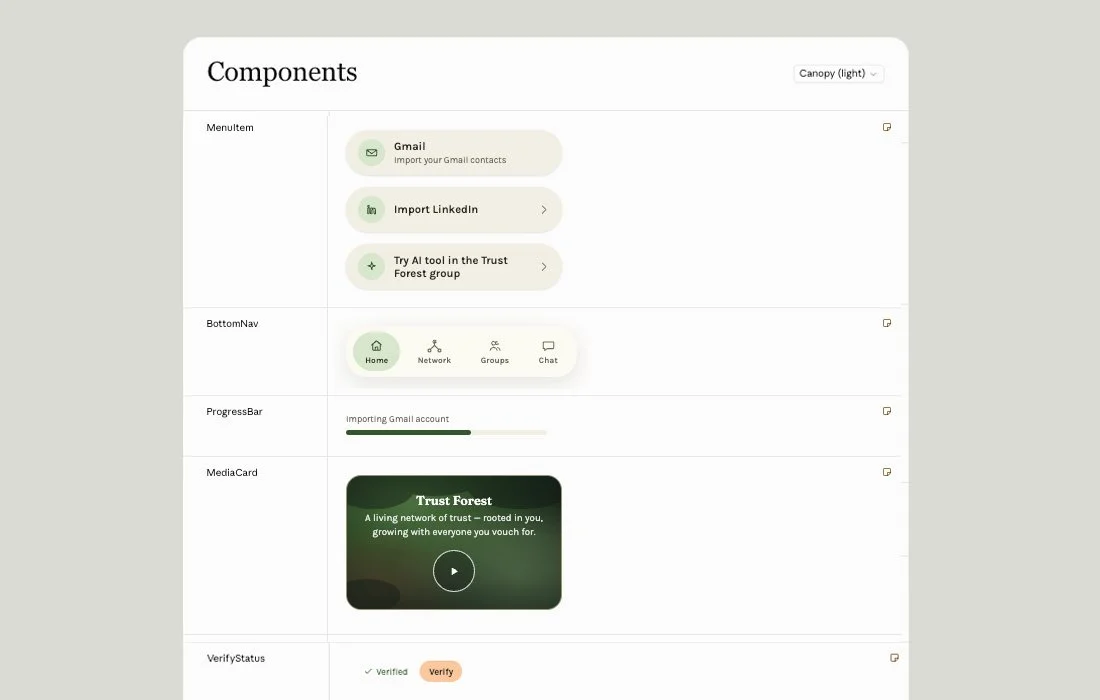
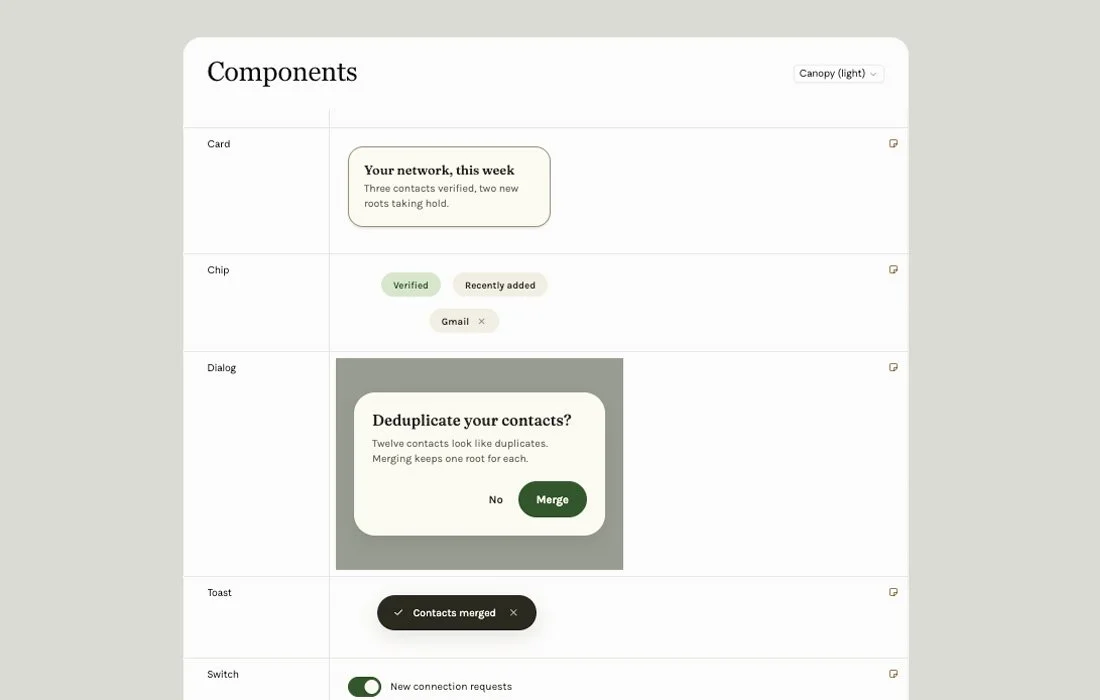
As the founder of Trust Forest, I partnered with entrepreneurs, CEOs, and mission-driven organizations to transform early-stage ideas into meaningful products, brands, and digital ecosystems. My work focused on helping founders design products that build trust, encourage collaboration, and create long-term social and environmental impact. Inspired by natural ecosystems, including forests, mycelium networks, beehives, and regenerative systems. I translate principles of cooperation, resilience, and reciprocity into scalable digital experiences for the AI era.
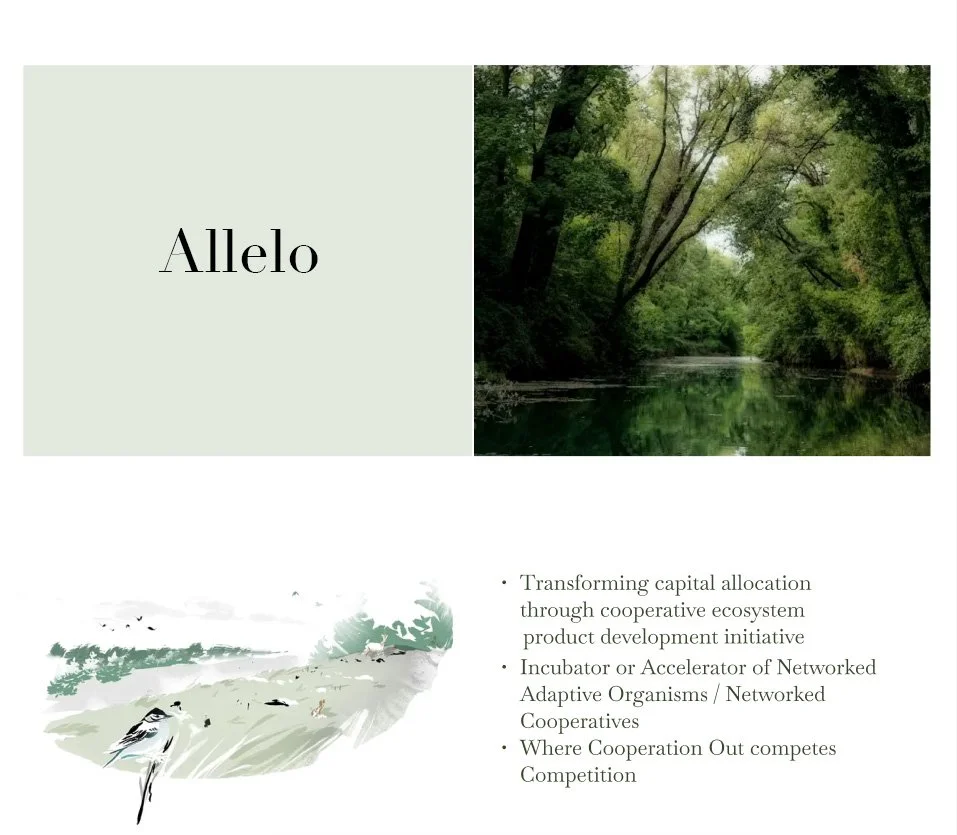
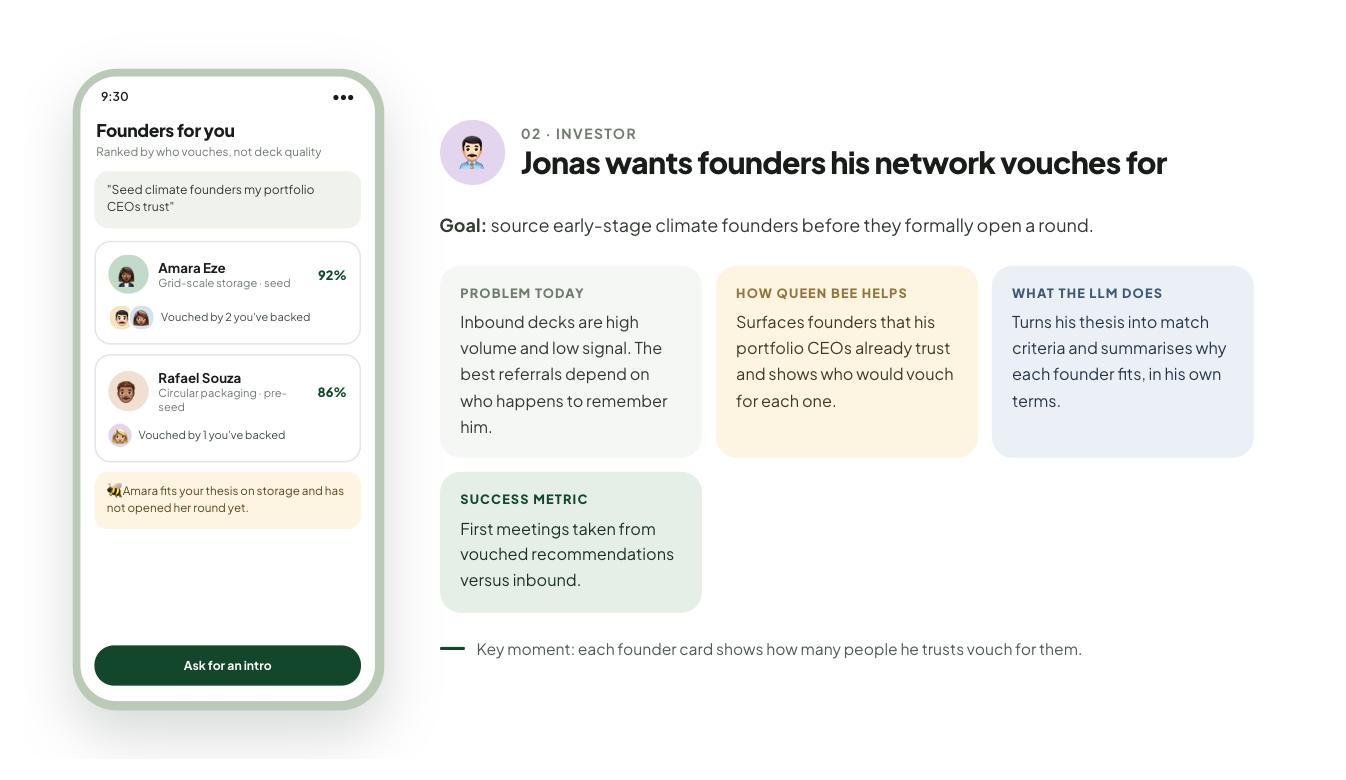
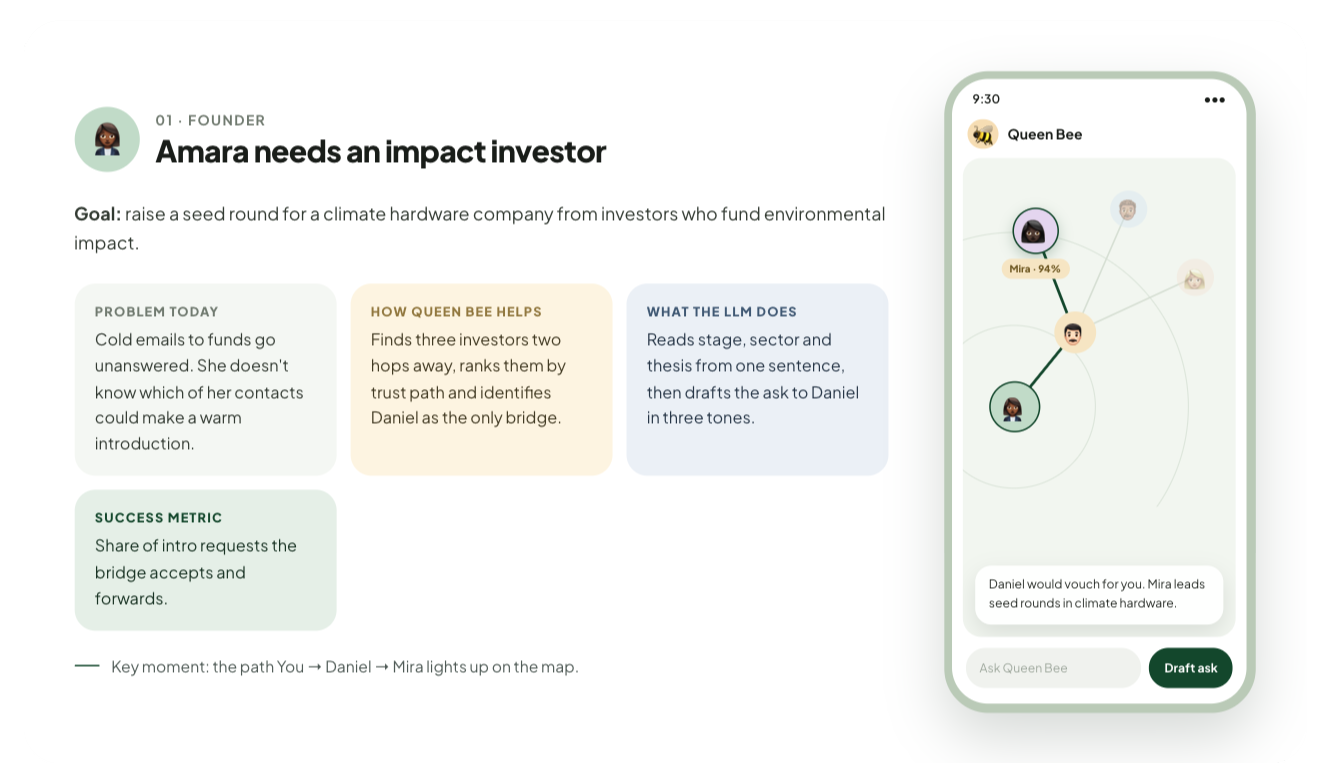
A Queen Bee then evaluates the founder’s trust network, identifies relevant investors, ranks potential matches, and explains why each match is recommended and who can make the introduction. Once a founder selects a match, the LLM drafts a personalized introduction. The mutual connection can review, edit, and approve it before anything is sent, keeping human judgment and control at the center of the AI experience.
AI Agent, Trusted Matchmaking
An LLM-powered agent that understands a founder’s intent, finds relevant investors through their trusted network, and turns matches into human-approved introductions.
I designed Queen Bee, an AI matchmaking agent that helps impact founders connect with investors through trusted relationships. Founders simply describe what they’re looking for in natural language instead of navigating complex filters. The LLM interprets the request, understanding factors such as investment stage, sector, and impact focus.
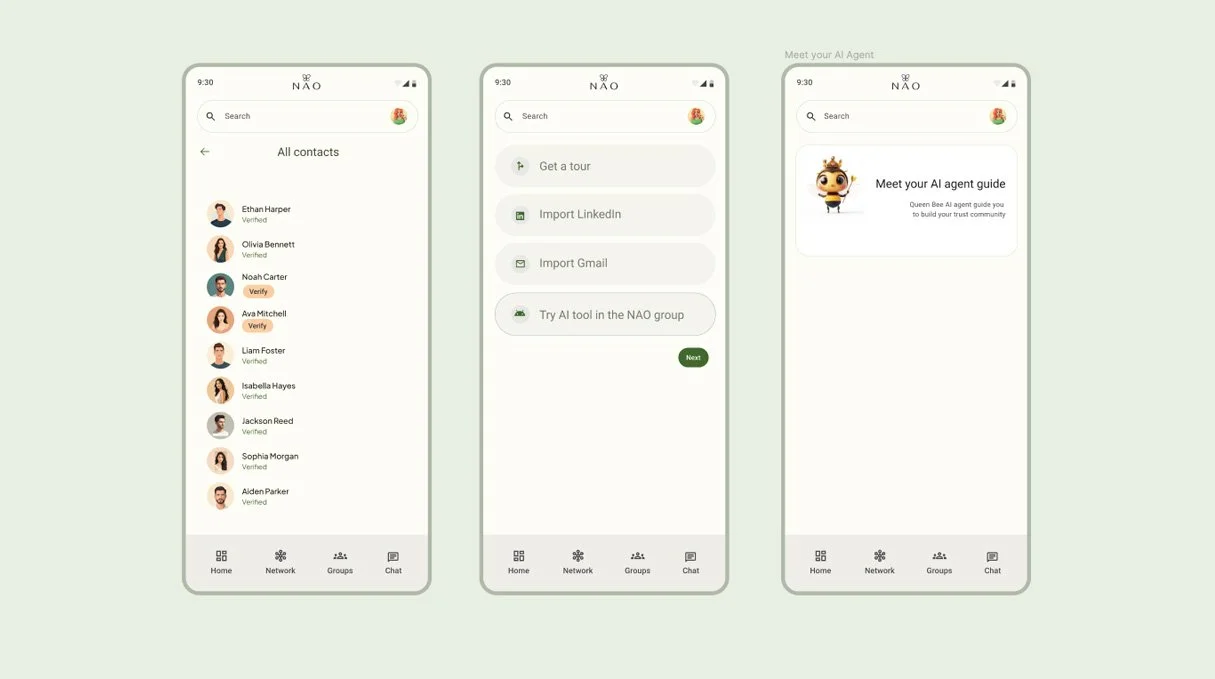
My Role
Founder • Product Strategist • UX/Product Designer • Systems Thinker. I work directly with founders from early vision through product strategy, user experience, branding, and AI interaction design.
I partnered with several founders, each bringing expertise in different technologies such as AI, decentralized identity, and data sovereignty. My role was to connect those technologies into one cohesive product experience. I led the product strategy, user experience, onboarding, trust framework, AI interactions, and overall information architecture, working closely with the founders to ensure the technology solved real user problems rather than becoming technology for its own sake.
My Approach
Product Design, Systems Thinking, Behavioral Design, Biomimicry, AI Experience Design, Community Design, Service Design, Brand Strategy, AI interaction concepts, and Storytelling.
Challenge
As AI becomes more capable, people increasingly struggle to know who and what they can trust online. Existing social networks reward attention rather than authentic relationships, while professional platforms capture credentials but rarely reflect integrity, shared values, or meaningful collaboration.
The challenge was to imagine a new kind of digital ecosystem where trust could be built intentionally through human relationships instead of popularity.
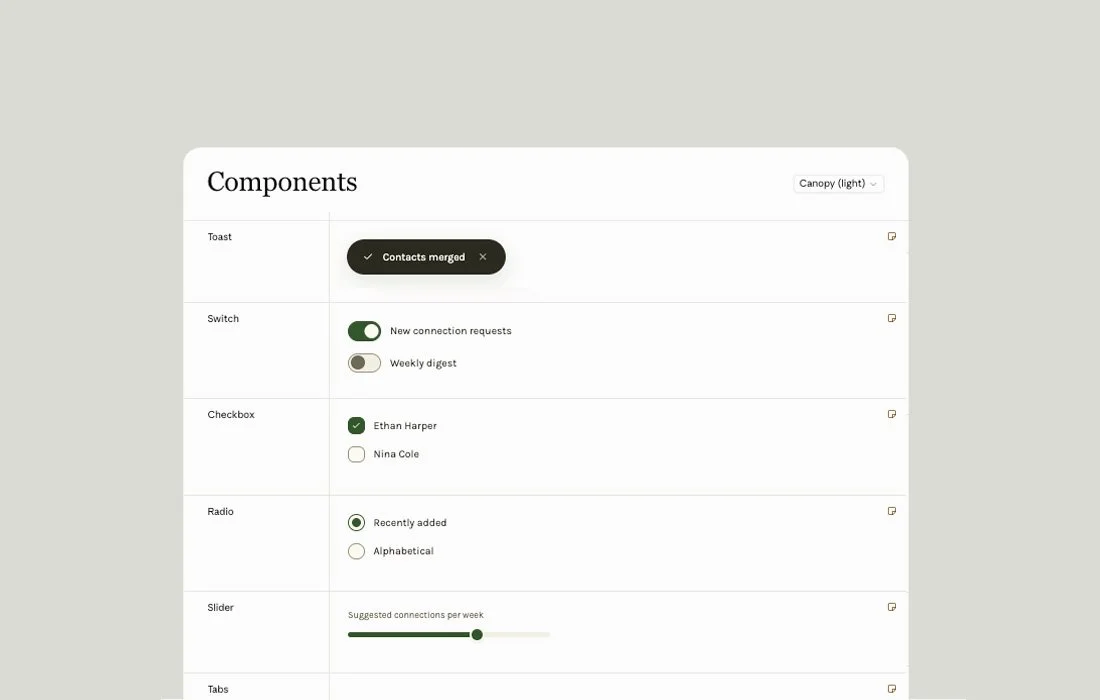
Design for Collective Intelligence
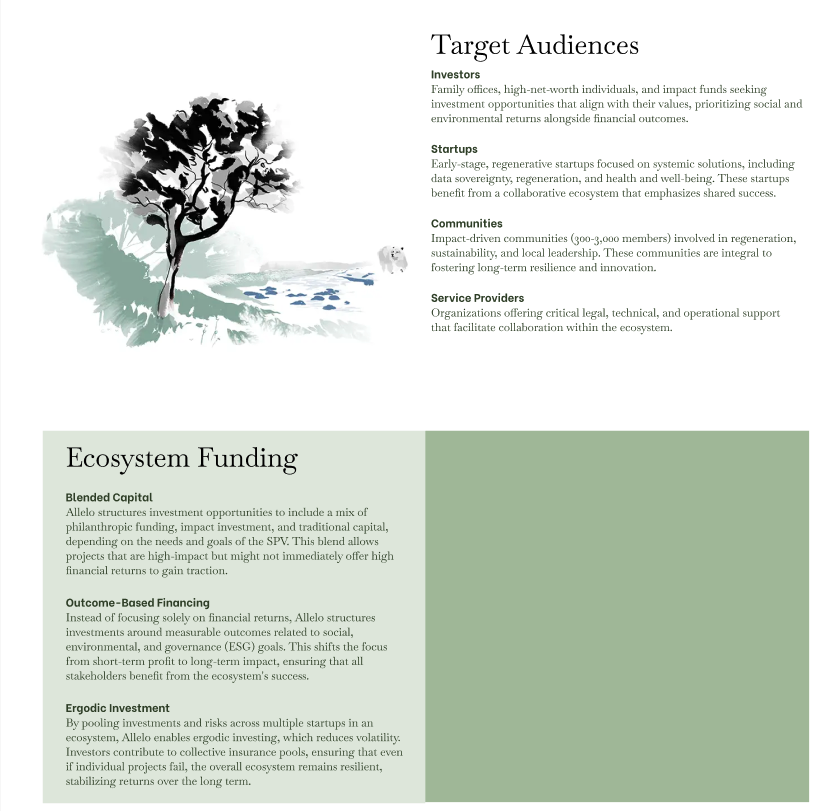
Allelo explored how communities make decisions together. Inspired by biological evolution and collective adaptation, the project investigated how AI could support groups in reaching better decisions while preserving human agency.
I designed:
Collaborative workflows
Governance experiences
Trust-based participation models
Transparent decision-making interfaces
Ecosystem maps
The result was a framework that connected technology with community wisdom.
Impact
Built a trusted network based on shared values, relationships, and human trust.
Enabled AI-powered matchmaking to help users discover meaningful connections.
Made AI recommendations transparent by explaining why people were matched.
Empowered users to build relationships within a trusted community.
Combined human trust with AI to create a more personalized networking experience.
Through Trust Forest, I helped founders:
Transform complex ideas into clear product visions and roadmaps.
Build trusted brands aligned with their mission and values.
Simplify complex systems into intuitive user experiences.
Integrate AI in ways that supported human decision-making rather than replacing it.
Design products that encourage collaboration, transparency, and community participation.
Create scalable foundations that could evolve as organizations grew.
What I Learned
Designing impact-driven products is not just about solving user problems; it is about shaping the systems that influence how people connect, collaborate, and make decisions.
Nature taught me that resilient systems are built on trust, diversity, and cooperation. As AI reshapes the future of technology, I believe the most successful products will be those that empower people, respect their autonomy, and strengthen communities rather than simply optimizing for growth.
-
![]()
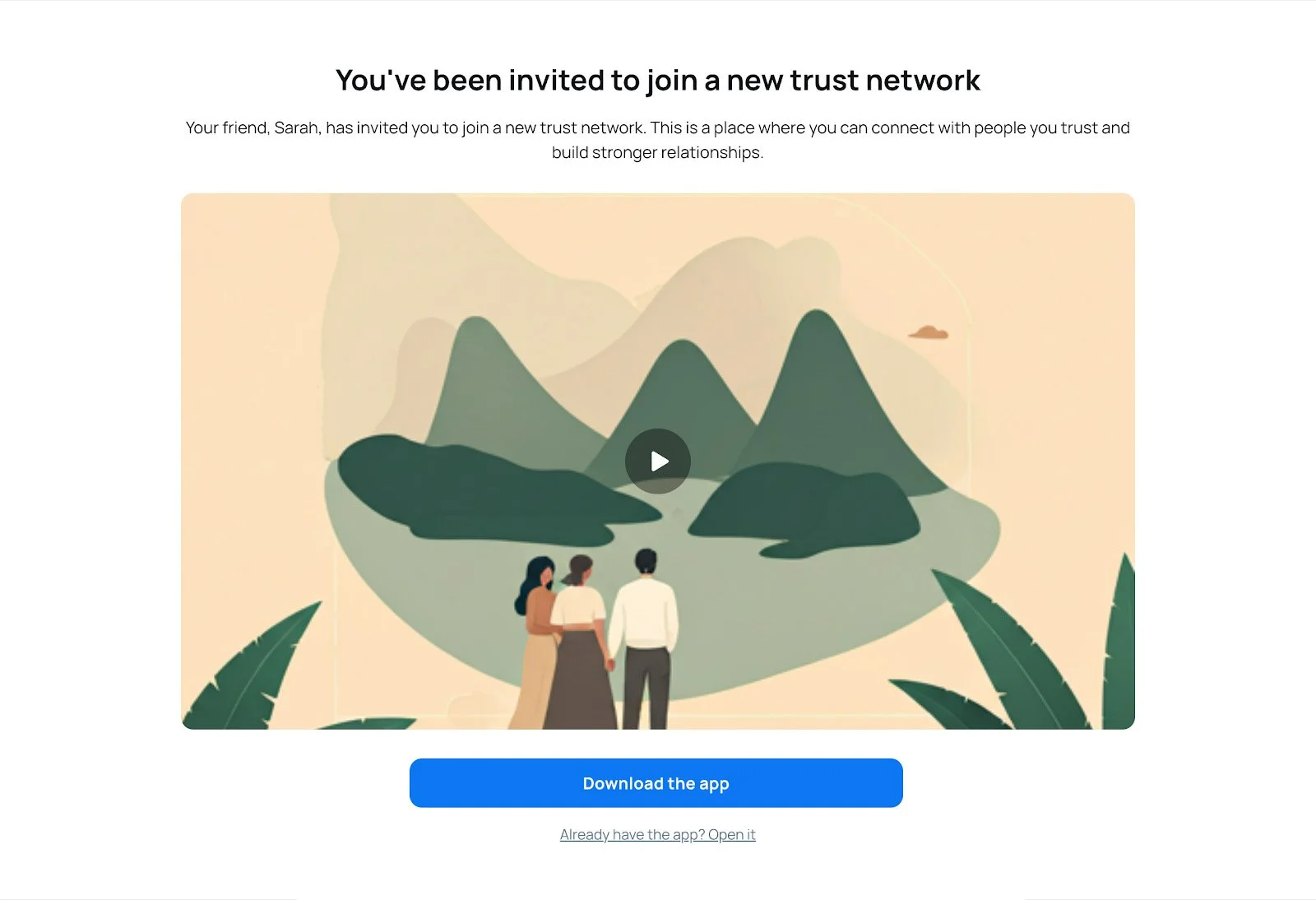
Download the app
-
![]()
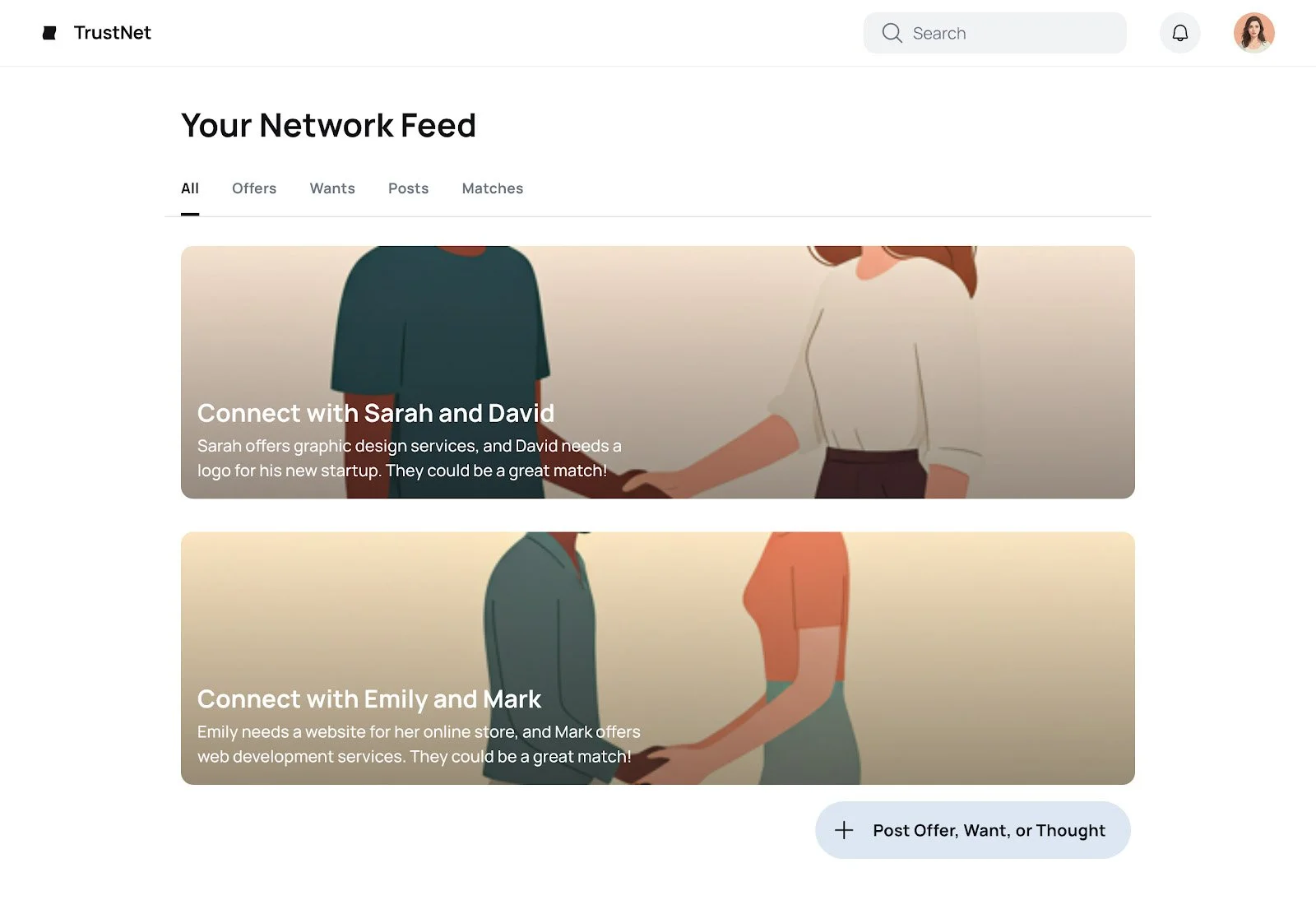
Network feed
-
![]()
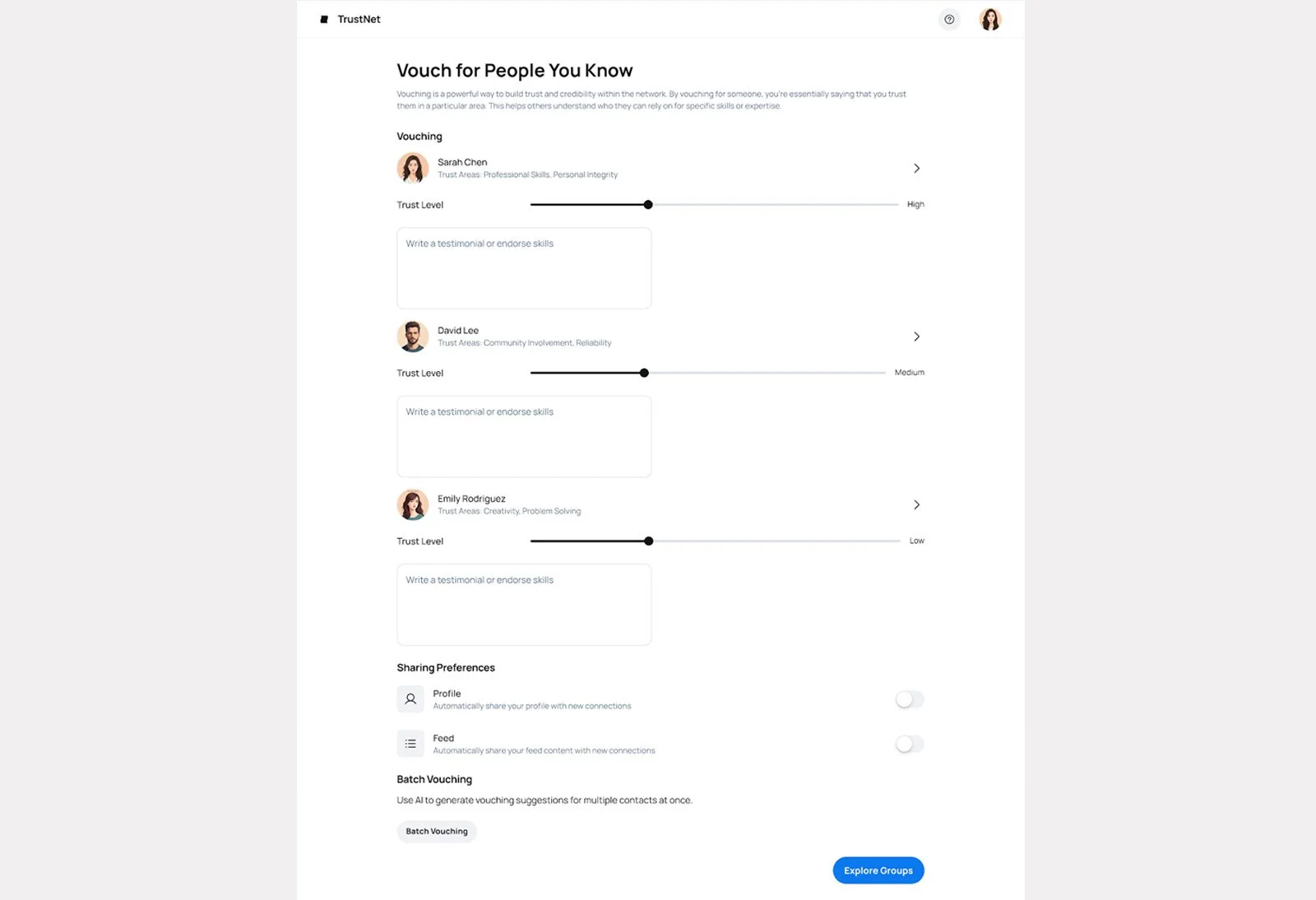
Vouch for people
-
![]()
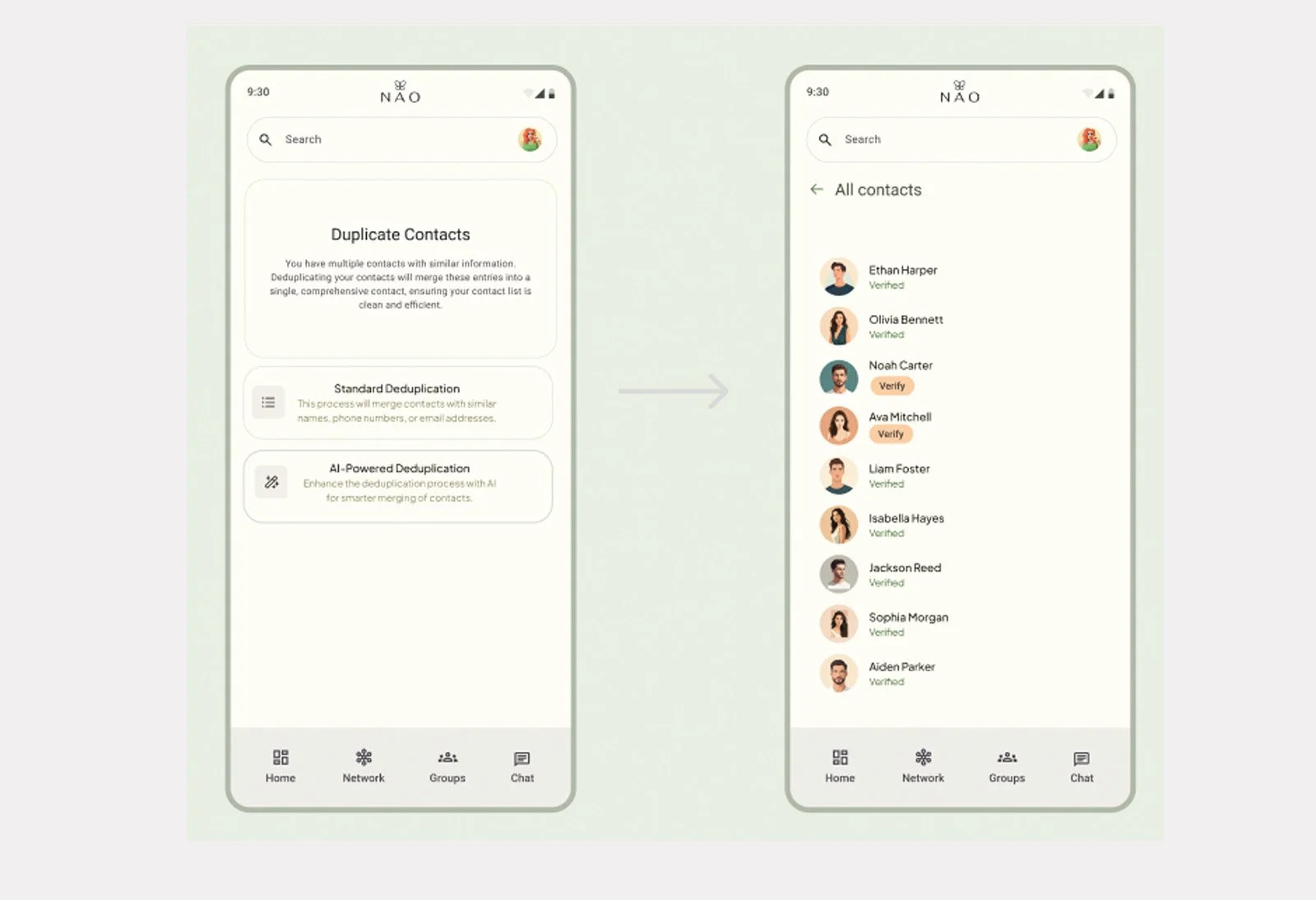
Duplicate contact
-
![]()
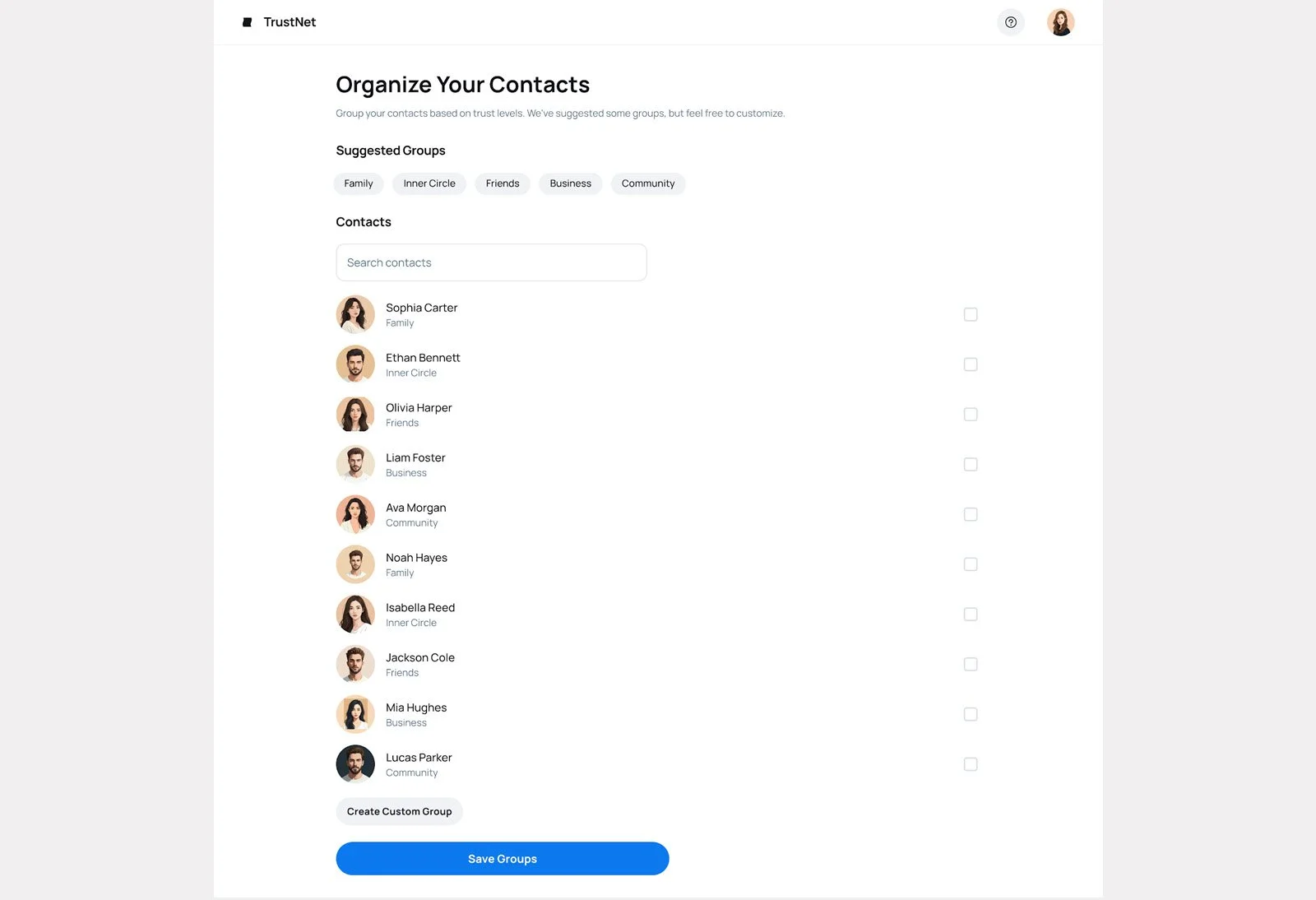
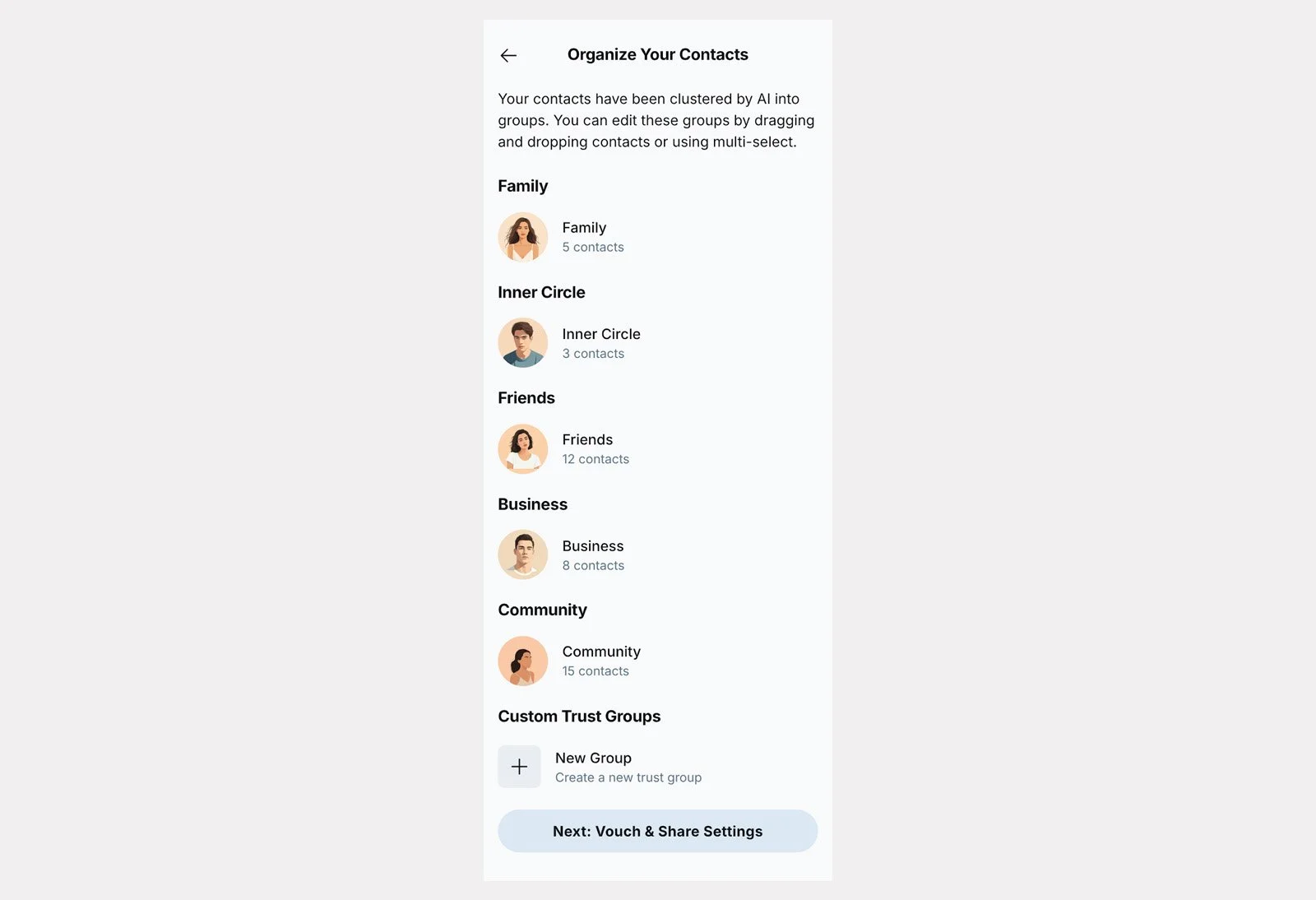
Organize contact
-
![]()
Organize contact
-
![]()
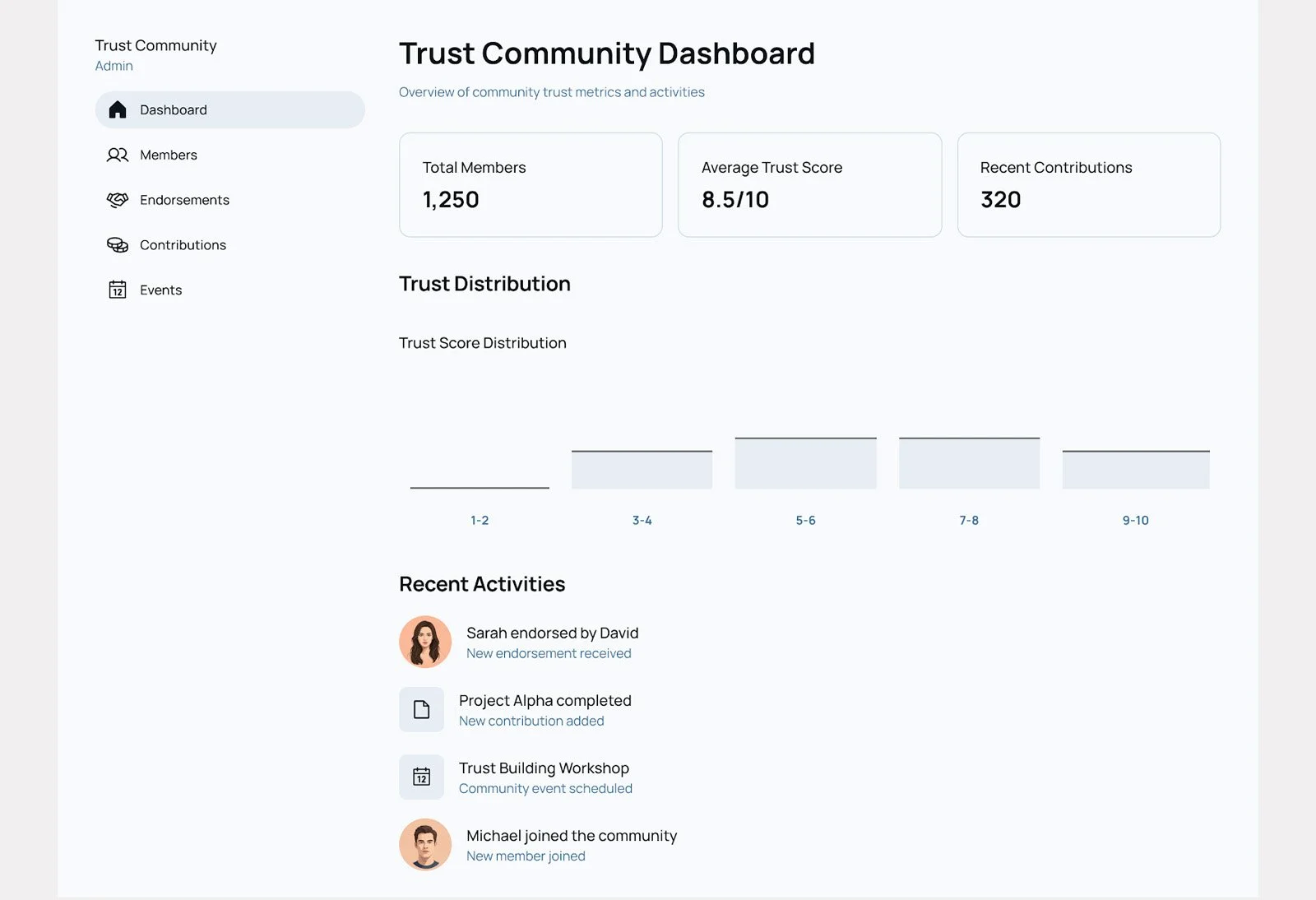
Trust dashboard
-
![]()
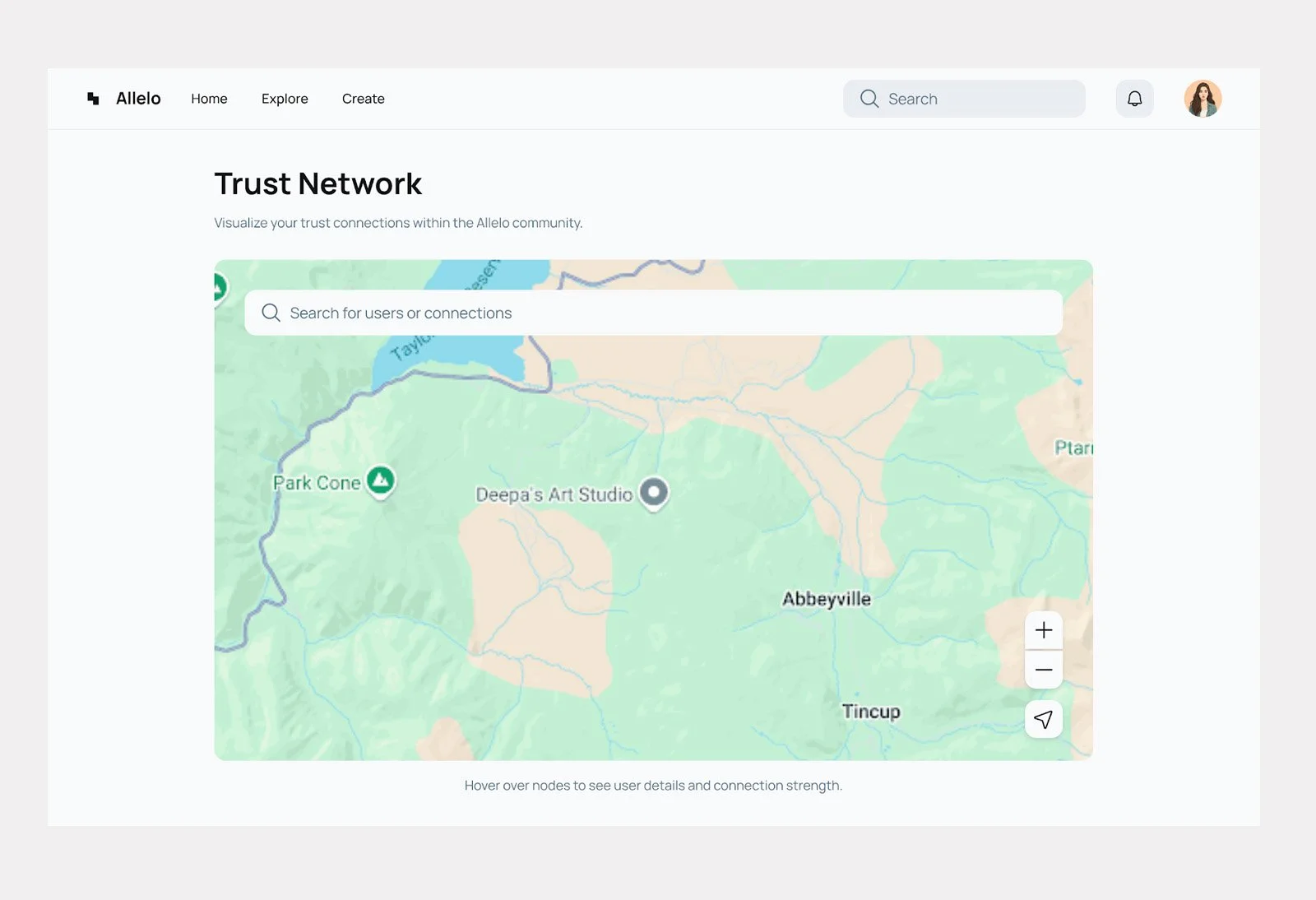
Network map